MBBR Package Units
MBBR package units with PE biofilm carriers of 500 m²/m³ specific area for high-rate BOD and nitrogen removal, needing up to 60% less tank volume.
Technical Specifications
| Carrier Type | PE biofilm carriers, 500 m²/m³ specific area |
|---|---|
| Carrier Fill Ratio | 25 – 67% (volume fraction) |
| BOD Removal Rate | 5 – 15 g BOD/m² carrier area/day |
| Nitrification Rate | 0.5 – 1.5 g NH₄-N/m²/day |
| HRT | 0.5 – 4 hours (application dependent) |
| Tank Volume Saving | Up to 60% vs. conventional ASP |
| Energy Consumption | 0.3 – 0.8 kWh/m³ treated |
| Temperature Range | 5 – 40 °C |
| pH Range | 6 – 9 |
| Standards | CE · DIN EN 12255 |
Key Features
- Plastic carriers have indefinite service life — no media replacement
- Ideal for upgrading existing activated sludge plants without new tankage
- High volumetric loading capacity handles industrial strength effluent
- Resilient to shock loads — biofilm returns to performance after upset
- No sludge recirculation required — simple operation
- Can be combined with MBR for polished reuse-quality effluent
Applications
- BOD and COD removal from industrial effluent
- Nitrification and denitrification
- Retrofit upgrade of overloaded ASP plants
- Food and beverage effluent treatment
- Municipal wastewater treatment
- Aquaculture water quality management
Product Overview
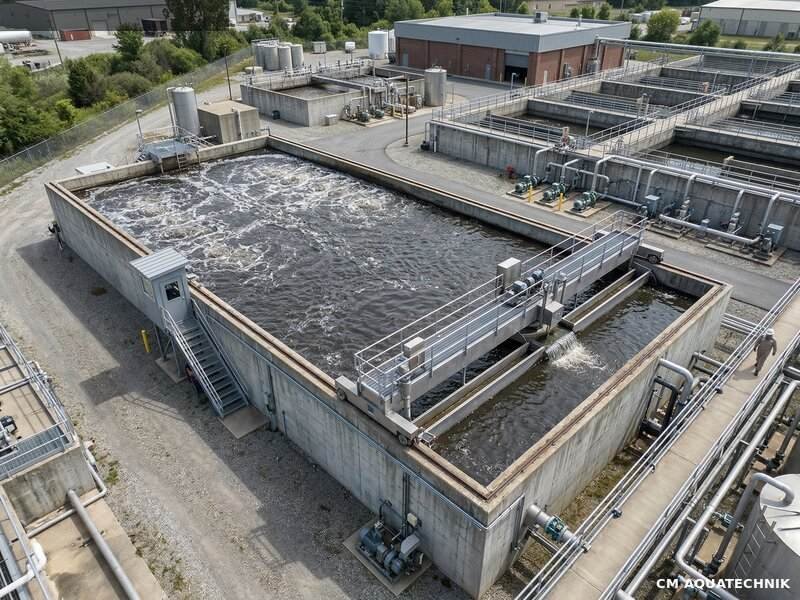
CM Aquatechnik supplies moving bed biofilm reactor (MBBR) systems using high surface-area polyethylene biofilm carriers (500 m²/m³ specific area) for high-rate BOD and nitrogen removal. MBBR is ideal for upgrading existing activated sludge systems without increasing tank volume, and for compact new-build installations with high-strength industrial effluent.
How an MBBR works
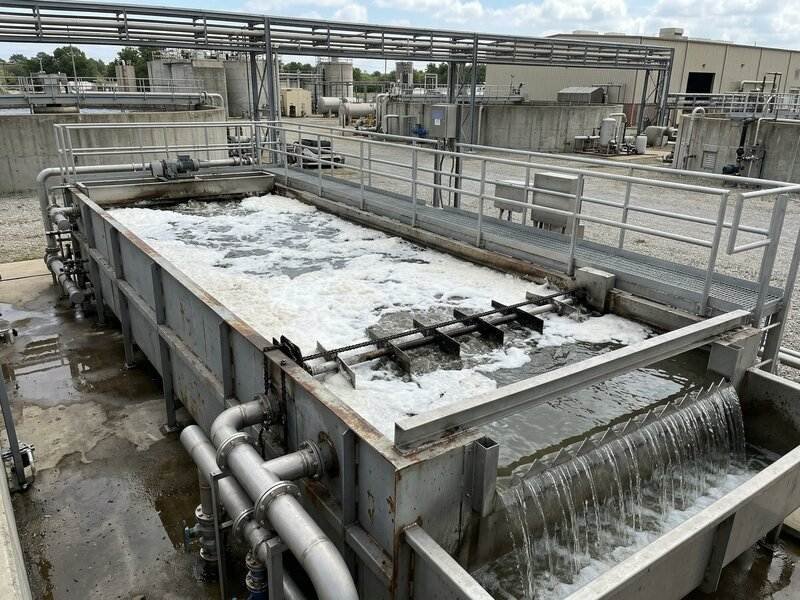
In a moving bed biofilm reactor (MBBR), the bacteria grow as a biofilm on small plastic carriers that move freely in the aerated tank. The carriers offer a protected surface of typically 500–800 m² per m³, so a small tank holds a large amount of biomass.
- Screening — a fine screen of 3–6 mm protects the reactor.
- Biological stage — aeration supplies oxygen and keeps the carriers moving; sieves at the outlet hold them in the tank. No sludge return is needed.
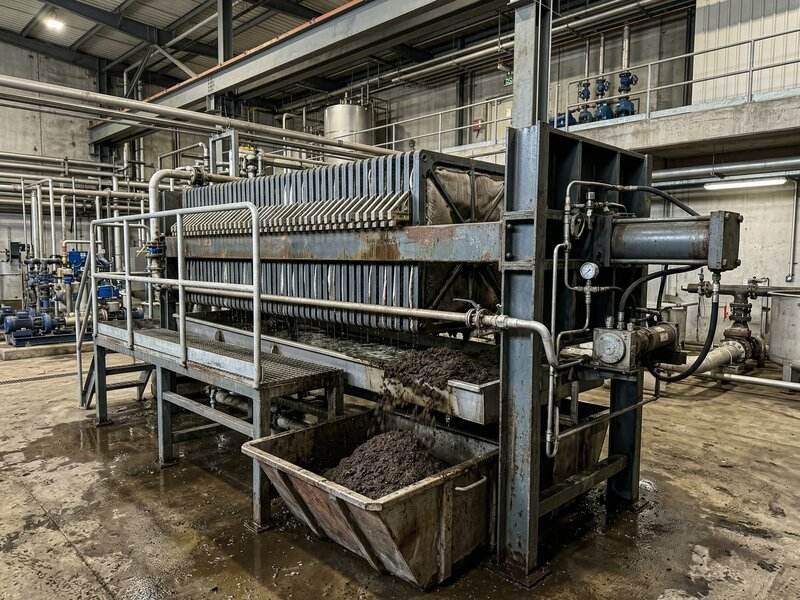
- Solids separation — the excess biofilm that comes off the carriers is removed in a lamella clarifier, a flotation unit or a filter.
Selection and sizing
- Load — the daily BOD and ammonium load and the temperature decide the carrier surface that is needed.
- Surface loading — typically 5–15 g BOD per m² of carrier surface and day for carbon removal and 0.5–1.5 g NH₄-N per m² and day for nitrification.
- Filling degree — 30–60 % of the tank volume, which leaves a reserve for later extensions.
- Oxygen — 2–4 mg/L of dissolved oxygen, more for nitrification.
- Strengths — robust against load peaks and toxic shocks, simple to operate, well suited to upgrading existing tanks.
The guide MBR, MBBR or SBR compares the three processes.
What determines the cost
- Load and discharge limits — nitrification needs several times the carrier surface of carbon removal alone.
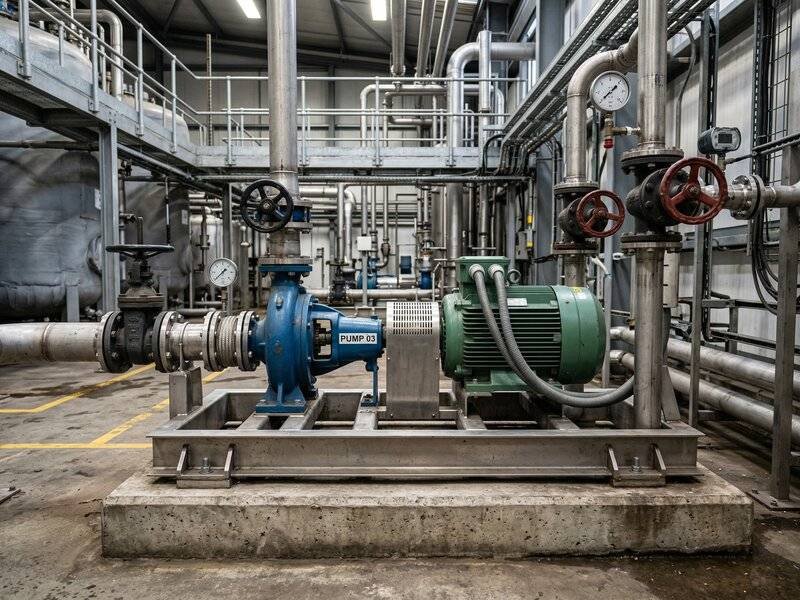
- Carriers and aeration — the carrier volume and the blowers are the main items of the biological stage.
- Solids separation — lamella clarifier, flotation or filtration, depending on the discharge limits.
- Tank design — container or steel tank as a package unit, or carriers and equipment for an existing concrete tank.
Frequently asked questions
How is an MBBR system sized?
Sizing is based on the BOD and ammonium loads to be removed: the required carrier surface area is calculated from typical removal rates of 5–15 g BOD/m²/day and 0.5–1.5 g NH₄-N/m²/day. The carrier fill ratio (25–67% of tank volume) and the hydraulic retention time (0.5–4 hours) are then set to suit the application.
Can MBBR be used to upgrade an existing activated sludge plant?
Yes. Adding biofilm carriers to existing tanks increases biological capacity without new tankage, and MBBR can save up to 60% tank volume compared with a conventional activated sludge process. This makes it a practical retrofit option for overloaded plants.
How much maintenance do the biofilm carriers need?
Very little. The polyethylene carriers have an indefinite service life and do not need replacing, and a pure MBBR process requires no sludge recirculation. The biofilm is also resilient to shock loads and returns to performance after an upset.
What information do you need for a quotation?
Please tell us your daily wastewater flow, BOD/COD and nitrogen concentrations, wastewater temperature and pH range, and the discharge limits you need to meet. For retrofits, the dimensions and current loading of your existing tanks are also helpful. Send us your requirements and we will prepare a proposal within 48 hours.
Last updated: · Technical data are typical values; the final design follows your water analysis and project data. Stock availability in Neuss and lead times are confirmed with the quotation.